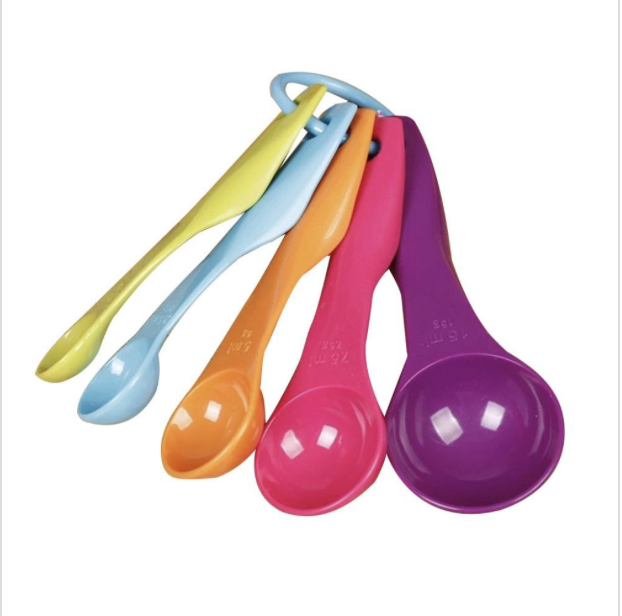
MEASURING SPOONS SET- 5 PIECE
$ 2.65
PLEASE CONTACT THE STORE TO PURCHASE THIS ITEM
Description Colourful Measuring Spoons – 5-Piece Set Perfect for kitchens, classrooms, and science labs alike! This bright and cheerful measuring spoon set makes it easy to measure ingredients or materials with accuracy and confidence. Whether you’re baking, cooking, or mixing bubble experiments, precise measurement is key — and these spoons make it fun! �� Includes Five Spoons: ¼ tsp – 1 ml / 1 g ½ tsp – 2.5 ml / 2.5 g 1 tsp – 5 ml / 5 g ½ tbsp – 7.5 ml / 7.5 g 1 tbsp – 15 ml / 15 g Each spoon is colour-coded and clearly marked in millilitres (ml) and grams (g), helping learners visualise measurement and conversions at a glance. They’re also stain-resistant and safe to use with even the strongest spices and science ingredients. �� Why Measuring Matters Understanding how to measure using teaspoons, tablespoons, millilitres, and grams helps children develop real-world numeracy. It’s also a great introduction to unit conversions and volume comparisons, especially when working with both metric and imperial systems. Whether you’re measuring flour, sugar, oil, spices, or soap and polymers, these spoons provide the consistency needed for both recipes and reliable scientific experiments. �� Link to Science: SI Units In science, accurate and consistent measurement is essential. That’s why scientists use the International System of Units (SI Units) — a universal language of measurement that ensures clarity and precision across the globe. When children use tools like these spoons, they’re not just cooking or crafting — they’re practising the same measurement skills used by scientists in real laboratories. Core SI Units include: Metre (m) – length Litre (L) – volume Kilogram (kg) – mass Second (s) – time Kelvin (K) – temperature Ampere (A) – electric current Mole (mol) – amount of substance Candela (cd) – luminous intensity �� A Cross-Curricular Tool Using measuring spoons in everyday activities like cooking and experimenting helps children develop: Mathematics skills (measuring, estimating, converting) Scientific thinking (accuracy, consistency, observation) Motor skills (scooping, pouring, levelling) Language skills (reading, following instructions) Emotional and social development (cooperation, confidence) Creativity and art (mixing colours, textures) Understanding of hygiene and safety From the kitchen to the science table, these spoons are a versatile, hands-on resource that blends STEM learning with everyday fun. Rough Equivalent Volumes ml: millilitres, tsp: teaspoon, Tbs: tablespoon, fl oz: fluid ounces These are not all exact, but close enough for cooking: ml tsp Tbs cups fl oz pints quarts 5 ml 1 tsp 15 ml 3 tsp 1 Tbs 30 ml 6 tsp 2 Tbs 1/8 cup 1 fl oz 60 ml 4 Tbs 1/4 cup 2 fl oz 120 ml 8 Tbs 1/2 cup 4 fl oz 250 ml 16 Tbs 1 cup 8 fl oz 500 ml 2 cups 16 fl oz 1 pint 1 litre 4 cups 32 fl oz 2 pints 1 quart 2 litres 4 pints 2 quarts
 PNEUMATIC MINI-BEAST ACTIVITY CLASSROOM KIT (30)
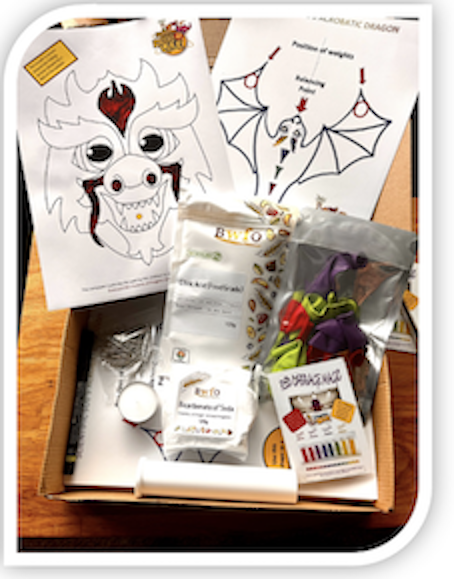 EXTRA KITS – The Science of Dragons Experience
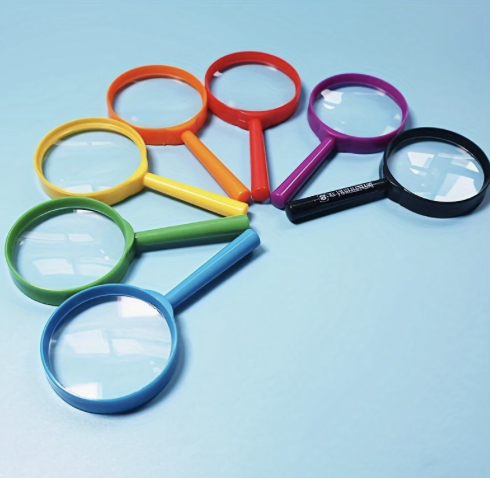 SET OF 10 COLOURFUL MAGNIFYING GLASSES
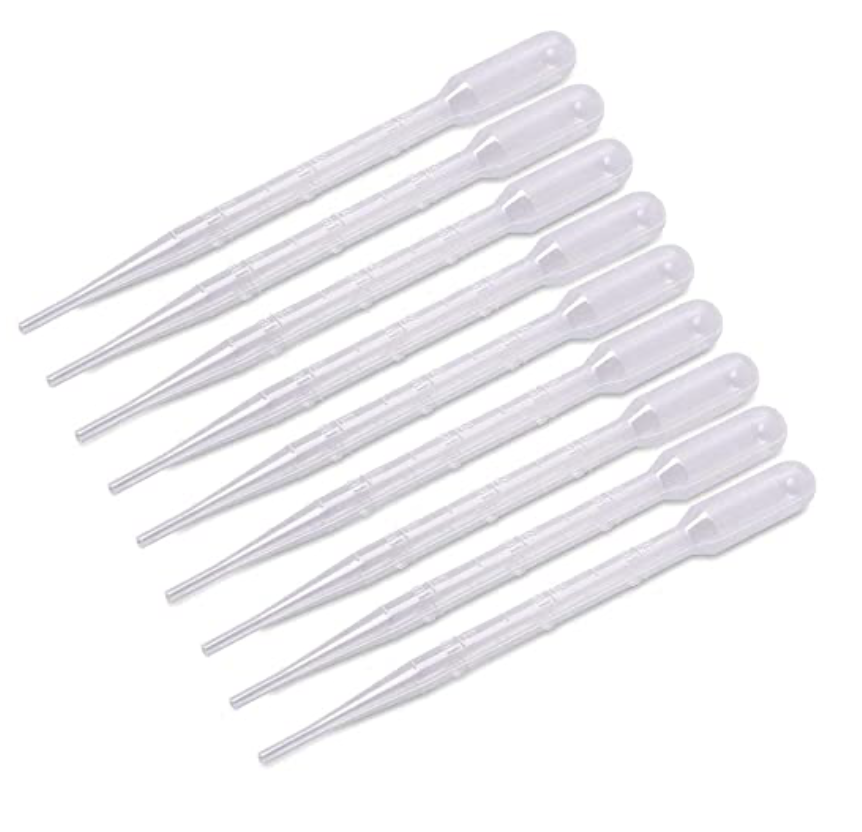 GRADUATED PIPETTES 10 x 3 ml